
Bringing trustworthy legal help within reach of Pakistan’s underserved millions.
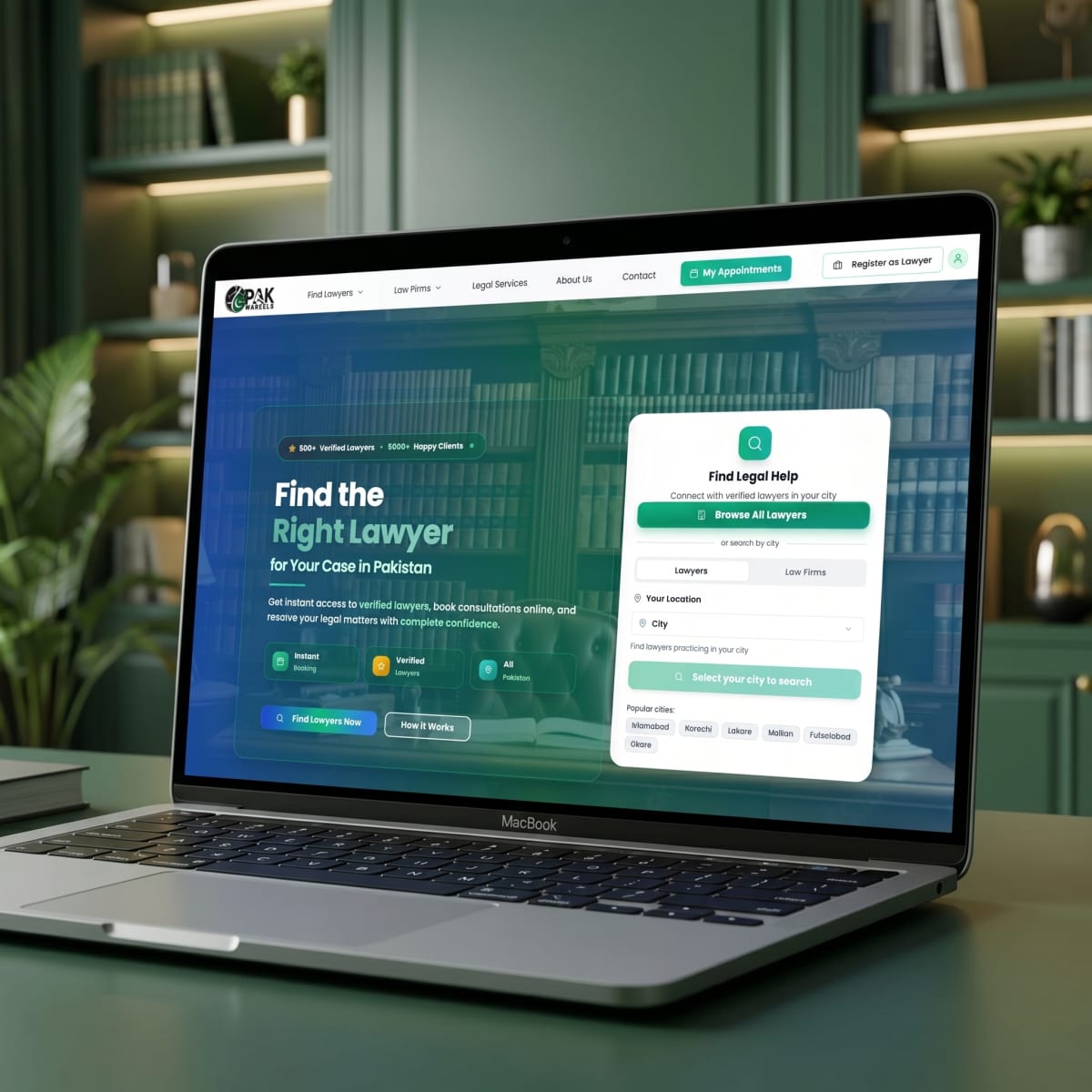
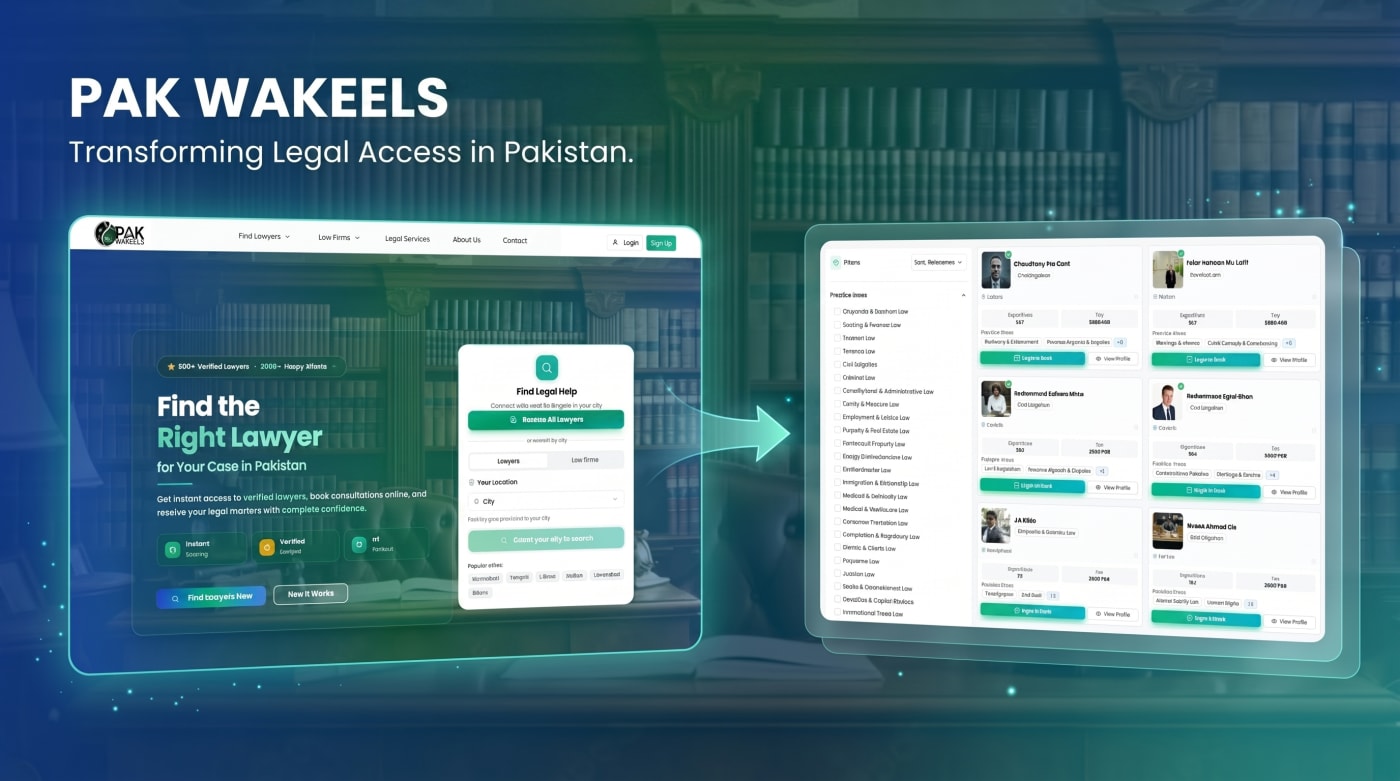
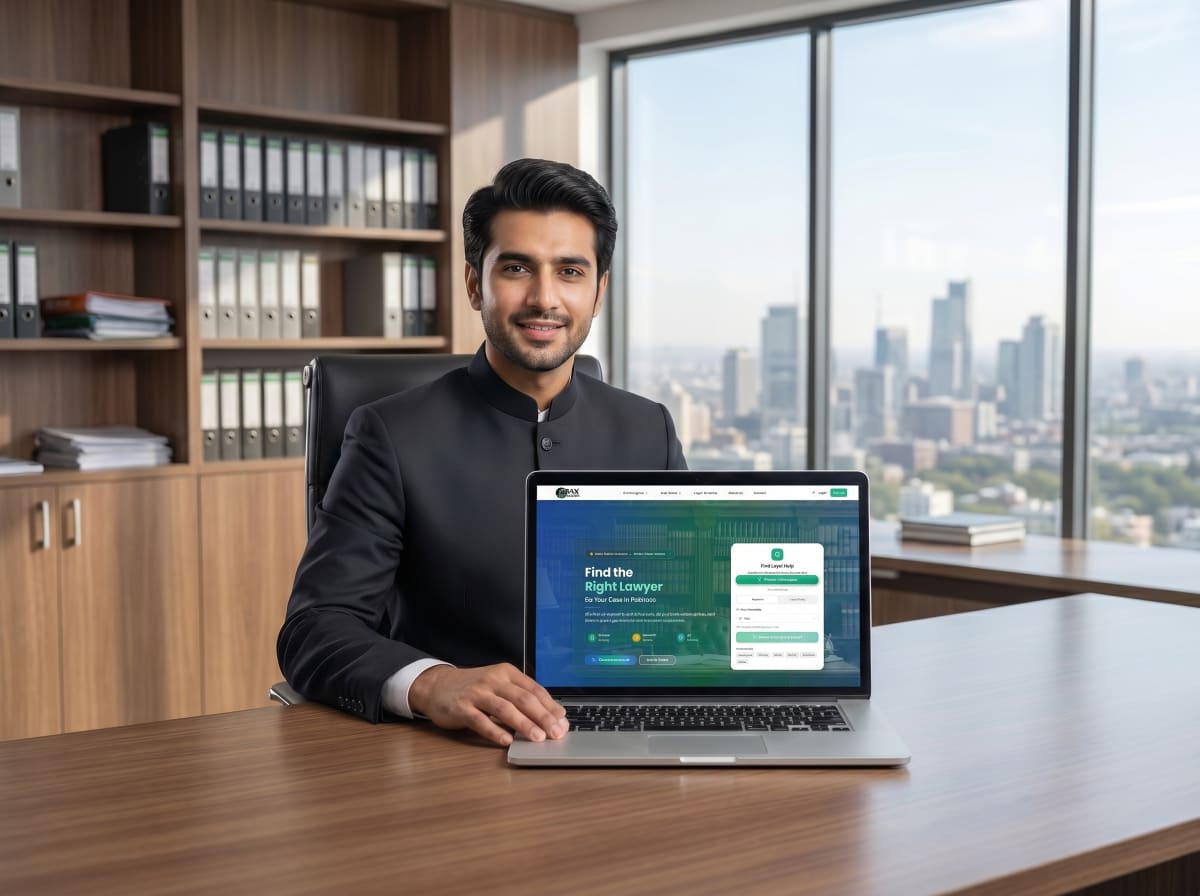
Pakwakeels needed more than a directory. It needed an opinionated platform that could vet thousands of advocates, translate a layperson’s problem into the right specialist, and earn trust in a market where most users had never paid for legal advice before. We built the matching engine, the consultation layer, and the AI assist that powers them, across web and PWA, in Urdu and English, on phones that often live on 3G.
The problem worth solving.
Pakistan’s legal market is fragmented across 130+ district bars and four federal jurisdictions. Until Pakwakeels, the only way most people found a lawyer was through a relative, which works if you have the right relatives. The platform had to do the work of that introduction, but at scale, in two languages, and across cases ranging from a five-minute property certificate to a two-year inheritance dispute.
Trust was the harder problem. We were asking first-time users to share sensitive details (divorces, harassment cases, business disputes) with a website they’d never heard of. That meant verified credentials weren’t optional, intake had to feel like a confidential conversation, and the consultation flow had to keep working on a weak 3G connection in Multan as well as on fibre in Karachi.
On the supply side, we needed to onboard advocates fast without compromising verification. The Punjab Bar Council alone lists 60,000+ enrolled advocates; cross-checking each one by hand was a non-starter, so the verification pipeline had to do the heavy lifting itself.
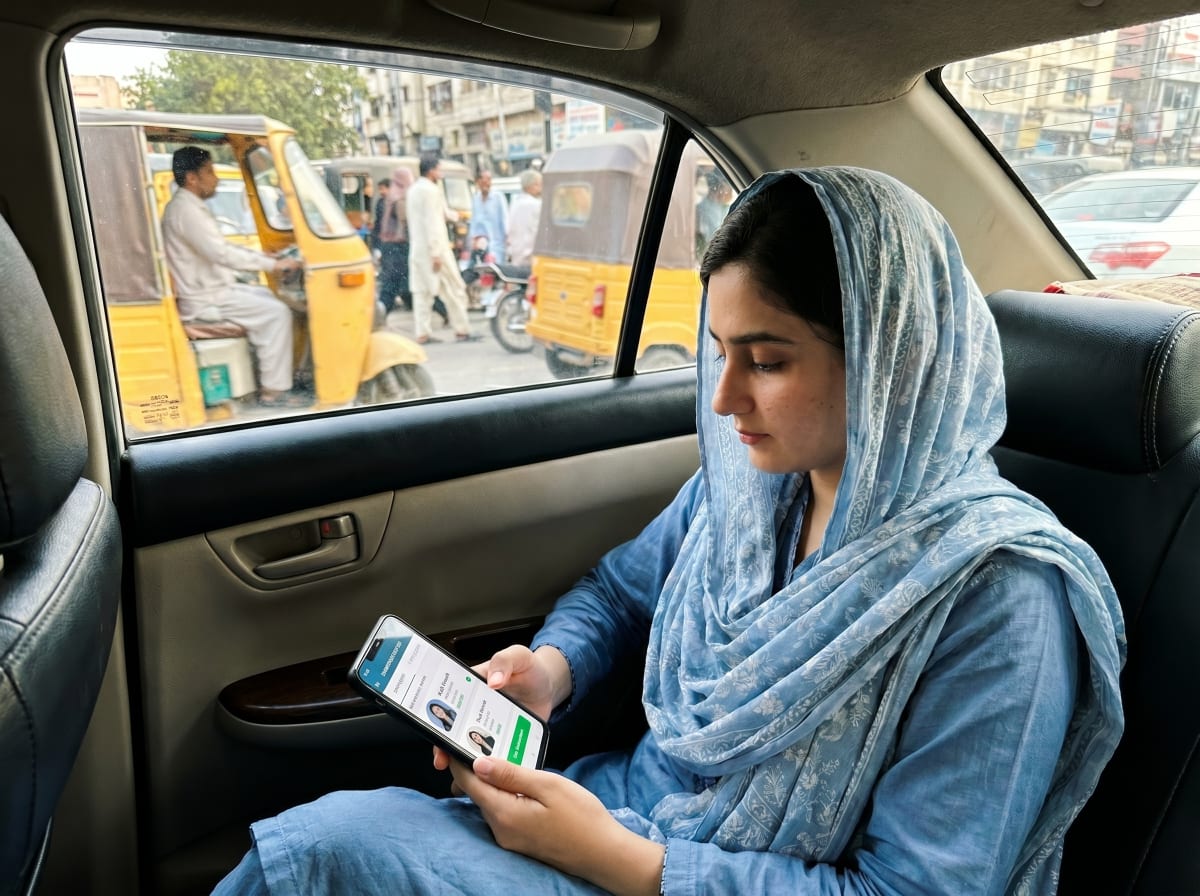
Legal help in Pakistan was opaque by default. Pakwakeels had to make it readable, in two languages, on any phone, for people who had never paid for legal advice before.
How we built it.
Field research
Three weeks shadowing paralegals and watching users fail intake forms in Lahore and Karachi. The taxonomy got rebuilt around how people actually describe legal problems, not how lawyers do.
AI-assisted intake
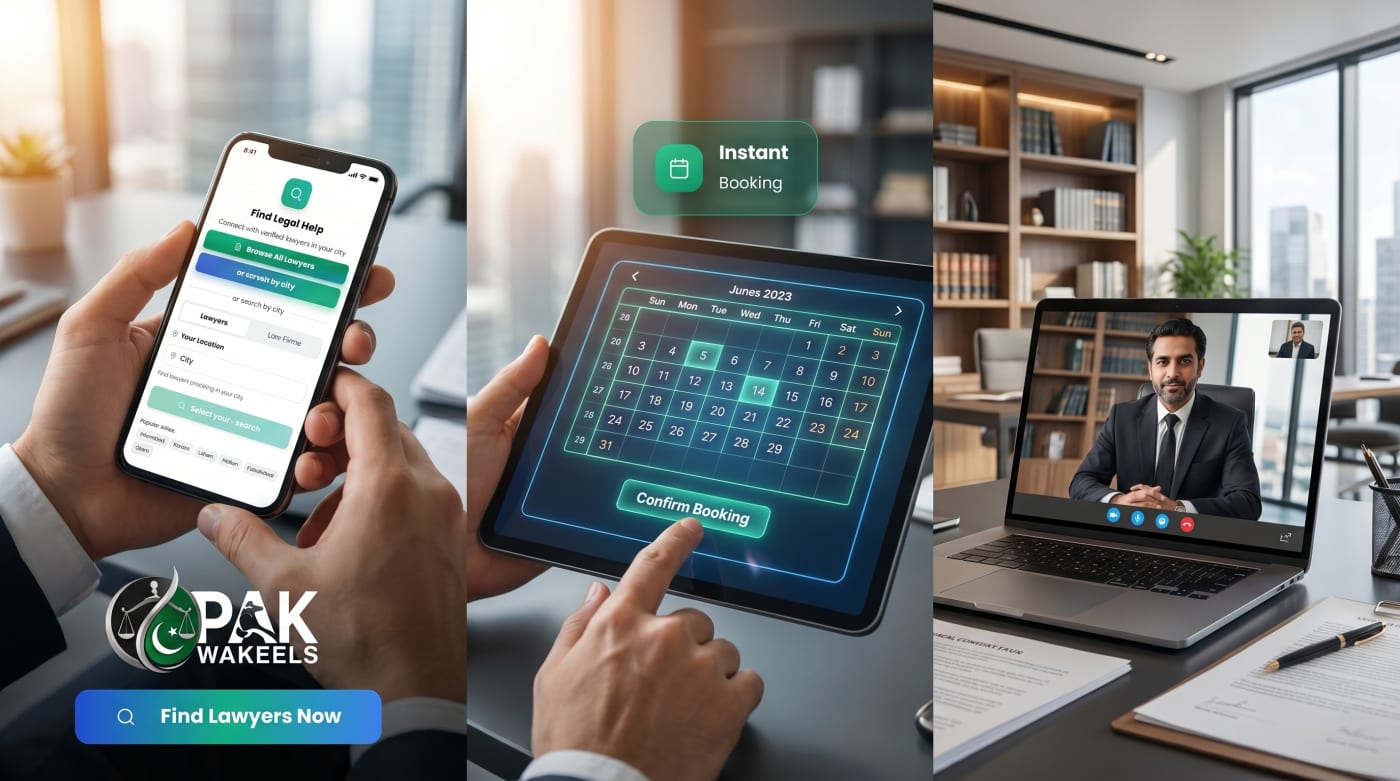
A fine-tuned classifier trained on 4,200 anonymised transcripts maps plain-language problem statements (Urdu or English) to the right practice area and an urgency tier. Voice intake routes through Whisper for users who’d rather speak than type.
Verification pipeline
Nightly scrape of the four provincial Bar Council registries, cross-referenced against advocate profiles. Mismatches get flagged for human review; everything else clears in hours, not days.
Matching engine
Structured filters (location, language, fee range) wrap a vector similarity layer over case-history embeddings, so “commercial fraud in Sialkot” surfaces advocates who’ve argued comparable cases, not just anyone nearby.
Consultation infrastructure
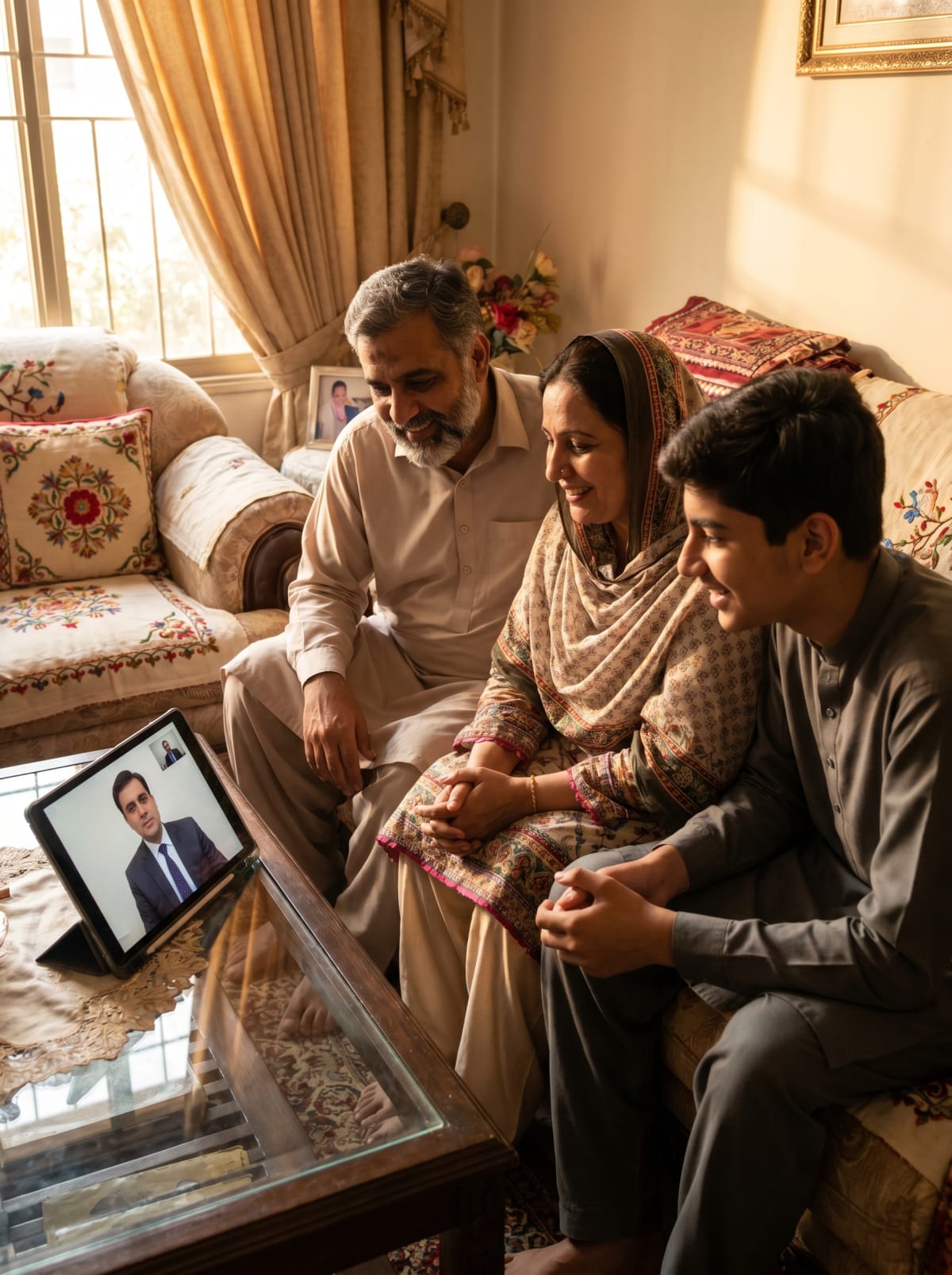
End-to-end encrypted video and chat with a hand-rolled quality ladder: WebRTC → audio-only → async voice notes. Dropping straight to text mid-call kills trust, so the ladder degrades gracefully instead.
AI Inside
Tools & Tech
Outcomes that moved the business.
Lift in lawyer–case match relevance
Verification turnaround after automation
First-time intakes routed without manual triage
Lasting Impact
40% lift in lawyer–case match relevance after vector search replaced city-and-keyword matching
Verification turnaround cut from 9 days to 11 hours via automated Bar Council cross-checks
9 in 10 first-time intakes auto-routed to the right practice area—no manual triage queue
Consultation completion held strong on 3G via video → audio → async fallbacks
Advocate supply scaled across districts with credential checks built into onboarding
Nasmak Labs treated this like the legal-tech problem it actually is, not a directory with a chat widget. The matching engine and intake AI are the platform now. Half our daily lawyer assignments happen with zero human routing.
Adeel Qureshi
Founder, Pakwakeels